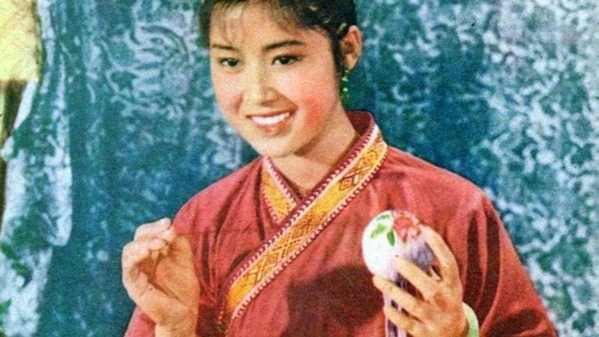
Liu Sanjie Ballad
Introduction
The Liu Sanjie Ballad refers to the collection of folk songs and stories surrounding the legendary figure of Liu Sanjie, who is celebrated as the "Song Fairy" among local communities in Guilin, Guangxi Zhuang autonomous region, China. This character gained widespread prominence through the 1961 film, "Liu Sanjie", which propelled the actress Huang Wanqiu to national and international fame. The ballads are known for their spontaneous and expressive nature, deeply rooted in the cultural and musical traditions of the region, and have been recognized as a national intangible cultural heritage. They encompass themes of love, freedom, and resilience, resonating with audiences for their poetic and cultural richness.
Historical Background
Historically, Liu Sanjie is believed to have lived during the Tang Dynasty (618–907), though her legend became widespread through oral traditions and written accounts from later periods. Her songs often employed antiphonal (call-and-response) singing, a unique style in which she is said to have outperformed all challengers. Her story includes defiance of oppression, with tales of her rejecting a local tyrant's advances and eventually finding freedom through magical transformation or ascension to the heavens.
Themes and Symbolism
Folk Elements
The Liu Sanjie Ballads are rich in folk elements, drawing from the traditions of the Zhuang, Yao, Miao, and Dong ethnic groups in Guangxi. The songs are characterized by their lyrical beauty, expressive melodies, and the ability to convey deep emotions through simple yet profound language. They often include elements of poetry, riddles, and storytelling, reflecting the everyday lives, beliefs, and aspirations of the people. The folk nature of these ballads allows them to serve as a vehicle for cultural transmission, preserving the oral traditions and local customs of the communities where they originated.
Cultural Significance
The cultural significance of the Liu Sanjie Ballad is multifaceted. It not only represents the artistic and musical heritage of the region but also encapsulates broader themes of social justice, personal freedom, and resilience. The character of Liu Sanjie is seen as a symbol of bravery and defiance, particularly in her fight for love and autonomy. Her songs have become a unifying force, bridging different ethnic groups and fostering a sense of identity and pride within the community. The ballads' designation as a national intangible cultural heritage in 2006 underscores their importance in preserving the cultural history and diversity of the region.
Musical Composition
The musical composition of the Liu Sanjie Ballads is marked by its distinctive regional style, emphasizing rhythm, melody, and the integration of voice and emotion. The songs are typically performed with a fluidity that allows for improvisation, highlighting the performer's connection to the material and their ability to convey the underlying emotions and messages. This approach to music, where the unity of voice and emotion is paramount, reflects the aesthetic values of the local culture. The melodies are often simple yet powerful, enabling them to resonate with audiences both within and beyond the region.
Influence and Impact
Popularity in China
The popularity of the Liu Sanjie Ballad in China can be attributed largely to the 1961 film adaptation, which brought the character and her songs into the national consciousness. The film's success was immediate, capturing the hearts of audiences with its compelling story and the emotive performances of Huang Wanqiu. Her portrayal of Liu Sanjie not only elevated her career but also solidified the character's place in Chinese cultural history. The themes of the ballads, particularly those of love and freedom, resonated with the social climate of the time, contributing to their widespread appeal.
International Recognition
International recognition of the Liu Sanjie Ballad has grown over the decades, aided by performances and adaptations in various media. In the 1980s, Huang Wanqiu was invited to perform as Liu Sanjie across Southeast Asia, where audiences were captivated by the character's spirit and the beauty of the songs. This international exposure helped to spread awareness of the ballads and the cultural heritage of the Guangxi region, fostering appreciation and interest beyond China's borders. The universal themes and emotive power of the ballads continue to inspire audiences worldwide, highlighting the global relevance of this cultural treasure.
Adaptations
Film and Television
The story and songs of Liu Sanjie have been adapted into various film and television formats, each bringing new dimensions to the character and her ballads. The 1961 film remains the most iconic portrayal, with its success paving the way for subsequent adaptations that sought to capture the essence of Liu Sanjie's story for different audiences. Television adaptations have also explored the character's narrative, providing new interpretations and insights into the cultural and social contexts that shaped the ballads. These adaptations have played a crucial role in keeping the legend of Liu Sanjie alive and engaging for contemporary audiences.
Stage Performances
Stage performances have been instrumental in preserving and popularizing the Liu Sanjie Ballad. Huang Wanqiu's performances in the 1980s and beyond brought the character to life on stage, allowing audiences to experience the songs and stories in a live setting. These performances often incorporate traditional costumes, music, and dance, creating a vivid and immersive experience that celebrates the cultural heritage of the region. The establishment of the Liu Sanjie troupe in Guilin further institutionalized these performances, ensuring that the ballads continue to be shared with new generations through live theater.
Preservation Efforts
Efforts to preserve the Liu Sanjie Ballad focus on maintaining the cultural and historical integrity of the songs while adapting them for contemporary audiences. The recognition of the ballads as a national intangible cultural heritage in 2006 was a significant milestone, highlighting their importance within China's cultural landscape. Huang Wanqiu has been a key figure in these preservation efforts, founding the Liu Sanjie Scenery Park in Guilin to promote the ballads and educate the public about their cultural significance. She has also dedicated herself to teaching younger performers, including her family members, in the hope of passing down the tradition and ensuring its continued relevance in the modern world.








